“Everything, if you think about it well, gives you something to think about,” once wrote Friedrich Nietzsche (“Thus Spoke Zarathustra”).
What exactly is thinking? Talking to oneself? Probably not, because combinations of words are merely a simplified representation of thoughts, not their essence. So, when using words as tools for thinking, we are only using labels for things or states and not reaching their core.
Albert Einstein himself stated: “I have no doubt that our thinking takes place mostly without the use of signs (words), and furthermore, to a large extent without the involvement of consciousness. How else can we explain the fact that sometimes a sensation spontaneously amazes us? This amazement arises when the sensation contradicts the world of concepts that has been established within us.”
Another important aspect is the logic of thinking. But does thinking limit itself only to logic? Or does it reach deeper—into the realm of emotions—the kingdom of intuition? Probably so, because giants of science have weighed in on this matter. Since we’ve already mentioned Albert Einstein, he put it this way: “Thinking without intuition is empty, intuition without thinking is blind.”
And so, there is confusion around thinking. However, this should not worry us, because even if we do not know exactly what thinking is, we never cease to fulfill the Cartesian definition of “being,” for as Władysław Grzeszczyk wrote in “Parade of Paradoxes”: “even one who only thinks they think—has the right to consider that they exist.”
Thinking, like any meaningful activity to which we decide to devote time, should provide valuable results. So, what is the most desirable outcome of thinking? In my opinion, it is making decisions and acting upon them.
Ralph Waldo Emerson concluded it simply: “to think is to act,” and he was certainly quite right, just as Henri Bergson affirmed such a style of thinking, to “act like a thinking man, think like a man of action.” So, let’s get to work and remember that “he who thinks only of food while working, surely does not think of work while eating” (Władysław Grzeszczyk). Meanwhile, that’s all the thinking about thinking for today.
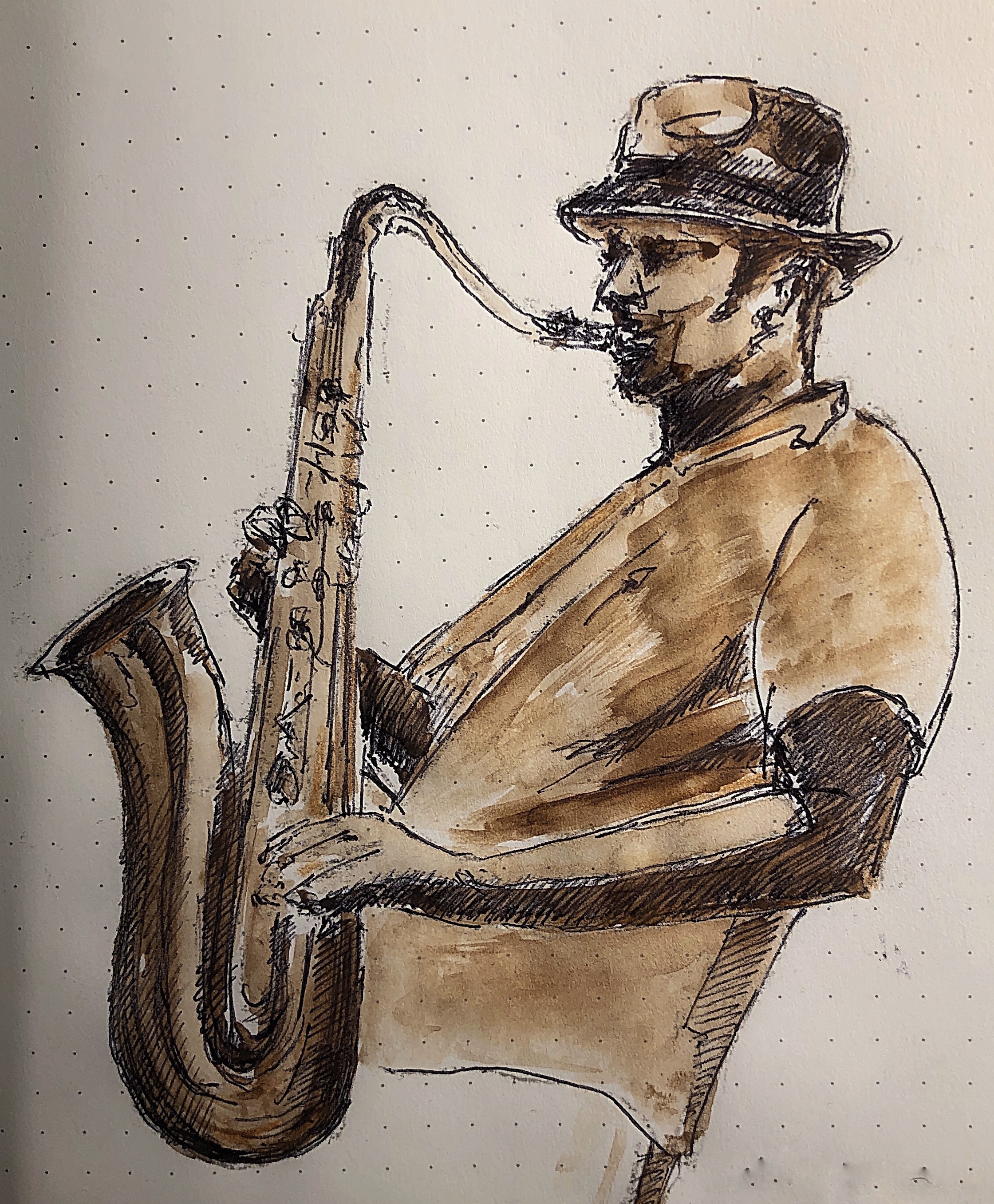
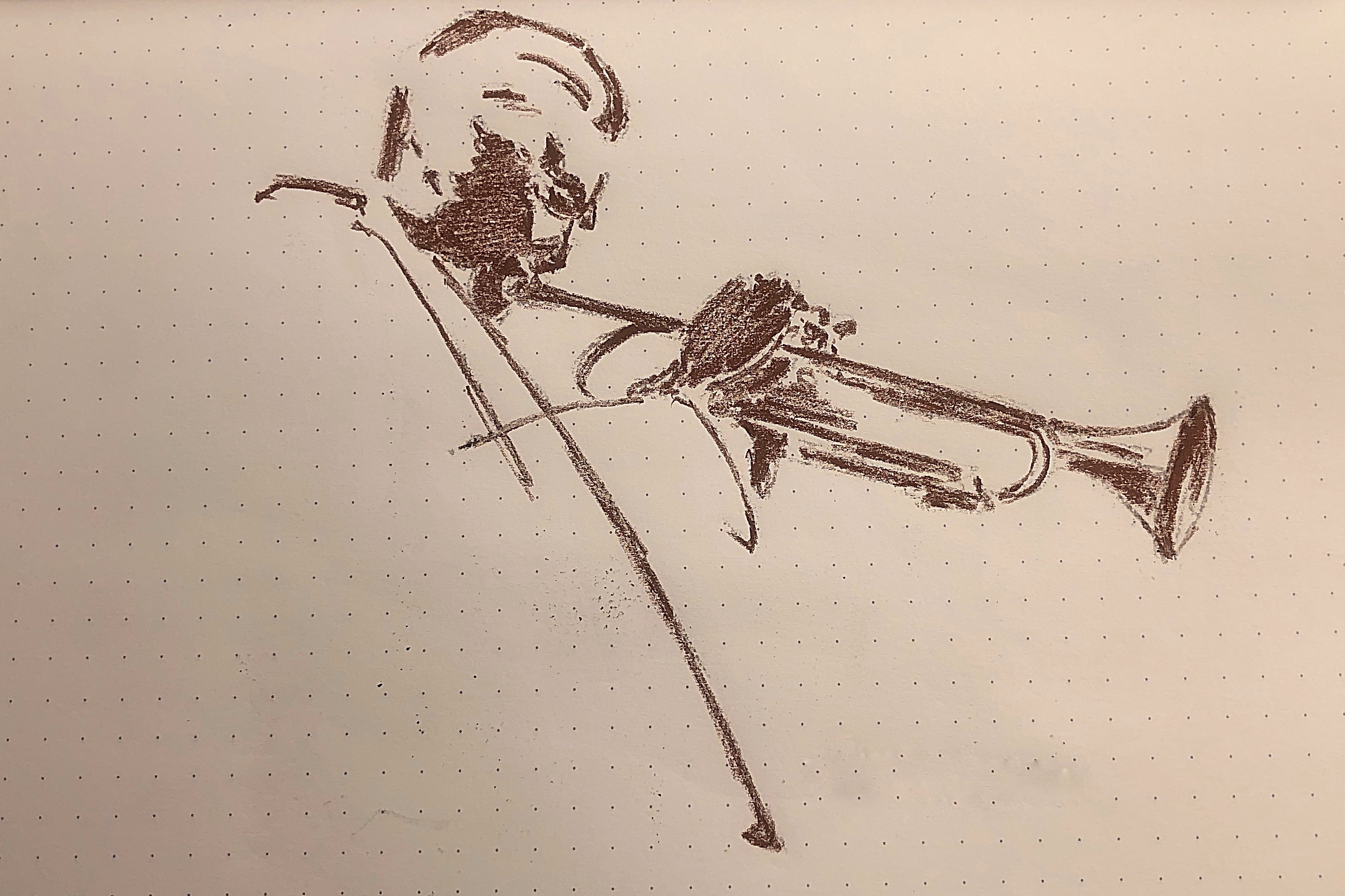
In the dynamic world of creative individuals, seeking new sources of inspiration and methods of work is imperative for further developing creativity. One such source can be a jazz jam session—a spontaneous gathering of musicians that embodies the essence of improvisation and collaboration. A jam session is not only a musical event but also a unique experience that, I am convinced, can be transferred to other fields requiring a creative approach, such as writing, design, or visual arts. A jam session is characterized by the absence of rigid rules and structures, allowing participants to freely explore sounds and rhythms. This spontaneity and openness to experimentation form the basis for developing new ideas and solutions. Furthermore, in this context, a jam session can be seen as a metaphor for any creative process where improvisation and collaboration play a fundamental role. In this article, I will explore how the principles and experiences from a jam session can be applied to other creative fields. We will look together at the conditions that favor the transfer of these experiences and the obstacles that may arise and hinder or prevent it. I will also discuss how lateral thinking techniques can support creativity in everyday situations. The goal is to show that an approach based on jam sessions can enrich the creative process, leading to more innovative and original results. We invite you to discover how the spirit of a jam session can inspire and transform creative approaches in various areas of life.
2. Key Elements of a Jam Session
A jam session is a unique event that brings musicians together in a spontaneous and creative act of making music. Although its roots lie in jazz, the principles and dynamics of a jam session can be successfully applied to other creative fields. In this chapter, we will examine the basic elements of a jam session that can inspire writers, designers, visual artists, and other creative professionals.
Improvisation and Spontaneity
Improvisation is the heart of a jam session. Musicians interact without a pre-prepared plan, allowing for the free exploration of new melodies and rhythms. This spontaneity is absolutely crucial for discovering unexpected solutions and ideas. In other creative fields, such as writing or design, improvisation can take the form of free writing, quick sketching, or experimenting with different styles and techniques. This allows for breaking routines and opening up to new possibilities.
Collaboration and Exchange of Ideas
A jam session is also an excellent example of collaboration. Musicians listen to each other, respond to one another, and together create something unique. This collaboration is based on mutual trust and openness to others’ ideas. In the context of other creative fields, collaboration can take the form of teamwork, where diverse perspectives and skills are combined to achieve more innovative results. Organizing brainstorming sessions or collaborative design are just some of the methods that can support this process.
Openness to New Experiences
Musicians participating in a jam session are open to experimenting with new sounds and styles. This openness to new experiences is a breeding ground for creativity. In other fields, this can be achieved by exploring new techniques, tools, or topics. Variability and diversity of stimuli can stimulate creativity and lead to the discovery of new areas of creativity.In summary, the key elements of a jam session—improvisation, collaboration, and openness—form the foundations that can be successfully applied in various creative fields. Embracing these principles can help develop a more flexible and innovative approach to creativity, opening up new possibilities and inspirations.
3. Practical Application in Other Fields
Transferring experiences and principles from jam sessions to other creative fields, such as writing, design, or visual arts, can significantly enrich the creative process. In this chapter, we will consider how the most important elements of jam sessions can be practically applied in various areas of creativity.
Writing
Improvisation in writing can take the form of free writing, where authors allow themselves to freely jot down thoughts without prior planning or censorship. This technique helps to break creative blocks and discover new ideas. Collaboration in writing can include joint writing sessions where authors share their texts and inspire each other. Openness to new experiences can be developed by experimenting with different literary styles or narrative forms.
Design
In design, improvisation can manifest through quick sketching and prototyping, allowing for rapid testing and development of ideas. Collaboration plays an important role in the design process, where diverse teams can combine their skills and perspectives to create more innovative solutions. Organizing design workshops or brainstorming sessions fosters the exchange of ideas and joint creation. Openness to new experiences in design can be developed by exploring new technologies, materials, or trends.
Visual Arts
In visual arts, improvisation can involve spontaneous creation, where artists allow themselves to freely experiment with colors, forms, and techniques. Collaboration in art can include joint art projects or exhibitions, where artists inspire each other and combine their visions. Openness to new experiences can be developed by participating in various workshops, artistic travels, or experimenting with new media.In summary, the practical application of jam session principles in various creative fields requires openness to experimentation and collaboration. Embracing an approach based on improvisation, collaboration, and openness can lead to a more dynamic and innovative creative process. Regardless of the field, it is important to create a space free from censorship, comparisons, and judgments, where creativity can flourish, and new ideas can be discovered and developed.
4. Conditions Conducive to Creativity
As mentioned earlier, to effectively transfer experiences from jam sessions to other creative fields, it is necessary to create the right conditions that foster creativity. In this chapter, we will examine the elements of the environment and approach that can support creative thinking and the obstacles that may arise.
Openness and Flexibility
Openness to new ideas and flexibility in the approach to work are preliminary conditions for the development of creativity. It is worth encouraging experimentation and risk-taking, which can lead to the discovery of innovative solutions. In practice, this means creating an environment where every idea is welcome, and mistakes are seen as a natural part of the creative process, serving as a springboard for more creative ideas.
Teamwork and Brainstorming
Collaboration with others is one of the foundations of a jam session, which can be successfully applied in other fields. Teamwork allows for the combination of different perspectives and skills, often leading to more creative and effective solutions. Organizing regular brainstorming sessions, where participants can freely share ideas, fosters the exchange of inspiration and the generation of new ideas.
Variability and Diversity of Stimuli
Creativity often thrives in an environment full of diverse stimuli. Variability in surroundings, participation in various cultural events, or exploration of new fields can stimulate creative thinking. It is worth encouraging the search for inspiration from different sources, which can lead to the discovery of new ideas and perspectives.
5. Obstacles in Transferring Experiences
Transferring experiences from jam sessions to other creative fields can be extremely beneficial, but it also involves certain challenges and obstacles. In this chapter, we will discuss the most common barriers that can hinder this process and ways to overcome them.
Fear of Evaluation and Criticism
One of the main obstacles in the creative process is the fear of evaluation and criticism. In jam sessions, musicians often act without fear of mistakes, allowing for the free exploration of ideas. In other creative fields, it is important to create an atmosphere where participants feel safe sharing their ideas. This can be achieved by establishing rules that in the early stages of the creative process, ideas are not judged but only explored.
Routine and Monotony
Creativity can be suppressed by routine and monotony. Constant repetition of the same activities and lack of new stimuli can lead to creative stagnation. To prevent this, it is worth regularly introducing changes in the work environment, participating in new experiences, or exploring various sources of inspiration. Variability and diversity can stimulate creativity and lead to the discovery of new ideas.
Lack of Openness and Flexibility
Another obstacle may be a lack of openness to new ideas and a lack of flexibility in the approach to work. In jam sessions, participants are open to experimentation and ready to change direction during creation. In other fields, it is worth adopting a similar approach, encouraging experimentation and risk-taking. Flexibility in thinking and action can lead to more innovative solutions.
Insufficient Collaboration
Collaboration is a necessary condition of a jam session, and its absence can be an obstacle in other creative fields. Working in isolation can limit the diversity of ideas and perspectives. It is worth organizing brainstorming sessions, workshops, or other forms of collaboration that allow for the exchange of ideas and inspiration. A team approach to creativity can lead to more creative and effective solutions.
In summary, transferring experiences from jam sessions to other creative fields requires overcoming several obstacles, such as fear of evaluation, routine, lack of flexibility, and collaboration. Creating an environment conducive to openness, experimentation, and collaboration can help develop creativity and discover new creative possibilities. Embracing these principles can lead to a more dynamic and innovative creative process.
6. Lateral Thinking as a Support for Creativity
Lateral thinking, the ability to view problems from different perspectives and seek unconventional solutions, is a key tool supporting creativity. In this chapter, we will discuss how lateral thinking techniques can be applied in everyday situations requiring creativity and how they can support the creative process inspired by jam sessions.
Lateral Thinking Techniques
Reframing the Problem
One of the fundamental ways to apply lateral thinking is to reframe the problem we are trying to solve. Instead of focusing on obvious solutions, it is worth asking whether the problem can be defined differently. You might try to decompose it, thus discovering that its essence lies elsewhere than originally assumed. This can lead to the discovery of new possibilities and approaches.
Thinking by Analogy
Searching for analogies between different problems can help find new solutions. Comparing current challenges to those already solved in other contexts can inspire innovative ideas. You can look at the problem through the eyes of someone “from another industry.” Why not try to view an IT problem, for example, through the eyes of a plumber?
Using Random Stimuli
Introducing random elements into the thinking process can stimulate creativity. For example, choosing a random word from a book and trying to relate it to the problem you are trying to solve can lead to unexpected associations and ideas.
Mind Mapping
Creating mind maps is a popular technique that helps organize and visualize ideas. It allows for the exploration of different directions of thinking and can lead to the discovery of new connections and solutions.
Trial and Error
Experimentation and shedding the fear of making mistakes are fundamental to creative exploration. Mistakes should be seen as a natural part of the creative process, something that—like a springboard—can lead to the discovery of innovative solutions.
Application of Lateral Thinking in Practice
Lateral thinking can be applied in various creative fields, such as writing, design, or visual arts. For example, in writing, you can experiment with different narrative forms, and in design, with unusual materials or techniques. In visual arts, lateral thinking can lead to creating works that combine different styles and media. In conclusion, lateral thinking is a powerful tool supporting creativity and innovation. Applying lateral thinking techniques in everyday creative situations can lead to a more dynamic and effective creative process. Embracing an approach inspired by jam sessions, combined with lateral thinking, can open up new possibilities and lead to the discovery of unexpected solutions.
Encouragement to Experiment
I encourage you to experiment with the presented techniques and principles to discover new possibilities and develop your creativity. Regardless of the field in which you operate, the spirit of a jam session can inspire the search for new paths and the discovery of unknown areas of creativity. Introducing elements of jam sessions into other creative fields is not only a way to enrich the creative process but also to develop skills in collaboration and openness to new experiences. I hope that the ideas and techniques presented in this article will be helpful in your creative journey, leading to the discovery of new inspiring paths.
John Maxwell once wrote in his book “Developing the Leader Within You”: “You cannot overestimate the unimportance of practically everything”. He might have exaggerated a bit, but he certainly highlighted that instead of “spreading ourselves too thin” and rushing madly towards exhaustion, discouragement, burnout, or even depression, instead of trying to do everything and please everyone, it is worth pausing for a moment.
Pause and conduct an honest assessment of what can be subjected to creative elimination and moved without guilt from the “to do” list to the “not to do” list (the latter is even more important than the former). This kind of decluttering, I feel, allows us to work smarter, not harder, and finally do what truly matters in life.
In my opinion, to distinguish truly important things from the insignificant ones, we need to create space for thinking, give ourselves time to observe and listen, and allow ourselves to play and experiment with different possibilities.
Time for thinking is not an unnecessary luxury. It is a necessity, like daily hygiene. A necessity that grows the faster life moves and the more we are entangled in handling daily “busywork”.
Only conscious self-reflection allows us to see value in everything that happens to us. It prevents a senseless chase to nowhere because life cannot be just hard work—it must include play, fulfillment, relaxation, regeneration, and growth. Play and rest are today – I am convinced – as important as work. We have play in our genes, and we should not forget that. As for regeneration, when we happen to pull an all-nighter for “urgent” tasks, let’s remind ourselves that sleep is not a privilege of the lazy—it is a source of creativity because it enables us to achieve a higher level of mental efficiency.
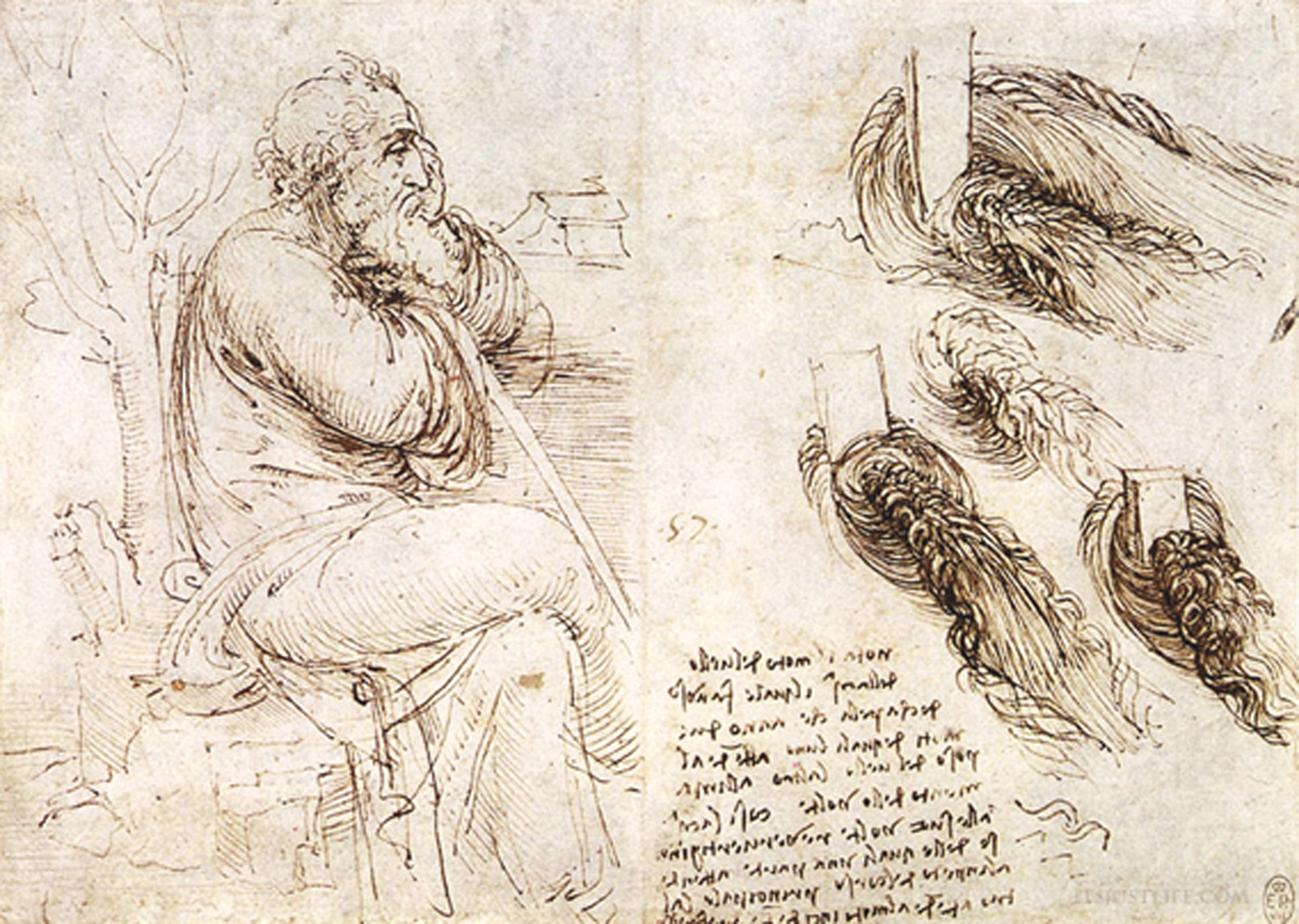
In the digital age, where most of us spend our time in front of screens, traditional handwritten note-taking might seem outdated. However, research and experiences of many creative minds show that combining text with quick sketches can be a powerful tool for stimulating creativity and innovative thinking. In this article, we will explore how creative note-taking can enhance our understanding of problems and lead us to discover unconventional solutions.
The Power of Combining Words and Images
When we combine text with quick sketches, we engage both hemispheres of the brain simultaneously. The left hemisphere, responsible for logical thinking and analysis, works on the text, while the right hemisphere, associated with creativity and imagination, is activated by drawing. This synergy leads to a more comprehensive and creative approach to problem-solving.
Quick sketches allow us to visualize abstract concepts, often leading to a deeper understanding of the subject. Diagrams, mind maps, or simple icons can help capture complex ideas in an accessible form. Moreover, such a multisensory approach to note-taking significantly enhances our memory and ability to recall information in the future.
Handwritten Note-Taking and Brain Stimulation
The very act of handwriting and drawing has remarkable stimulating properties for our brain. Unlike typing, which is automated, handwritten note-taking requires full engagement and focus. This allows us to be more present “in the moment,” reducing distractions and improving concentration.
The physical act of writing activates brain areas associated with learning and information processing. Studies have shown that students who take notes by hand understand and remember material better than those who use laptops. Additionally, the slower pace of handwriting compared to typing allows for deeper reflection and more conscious processing of information.
Creative Note-Taking Techniques
There are several creative note-taking techniques we can use to stimulate our creativity:
Mind Maps: A central concept surrounded by related ideas, connected by lines or arrows. This method allows for a visual representation of relationships between different concepts.
Sketchnoting: A combination of text, simple drawings, and icons. Ideal for quickly capturing key points during presentations or brainstorming sessions.
Cornell Method: A structured note-taking format with space for main notes, questions, and a summary. It supports active learning and critical thinking.
Experimenting with different techniques will help us find the method that best suits our thinking style and needs. The key is to find a balance between structure and freedom, allowing our minds to flow creatively.
Creative note-taking is not just a way to record information, but a tool for actively processing knowledge and generating new ideas. It allows us to look at problems from a new perspective, see unconventional connections, and find innovative solutions. In a world where creativity and innovation are highly valued, it’s worth reaching for a pen and notebook to give our minds the space for creative development.
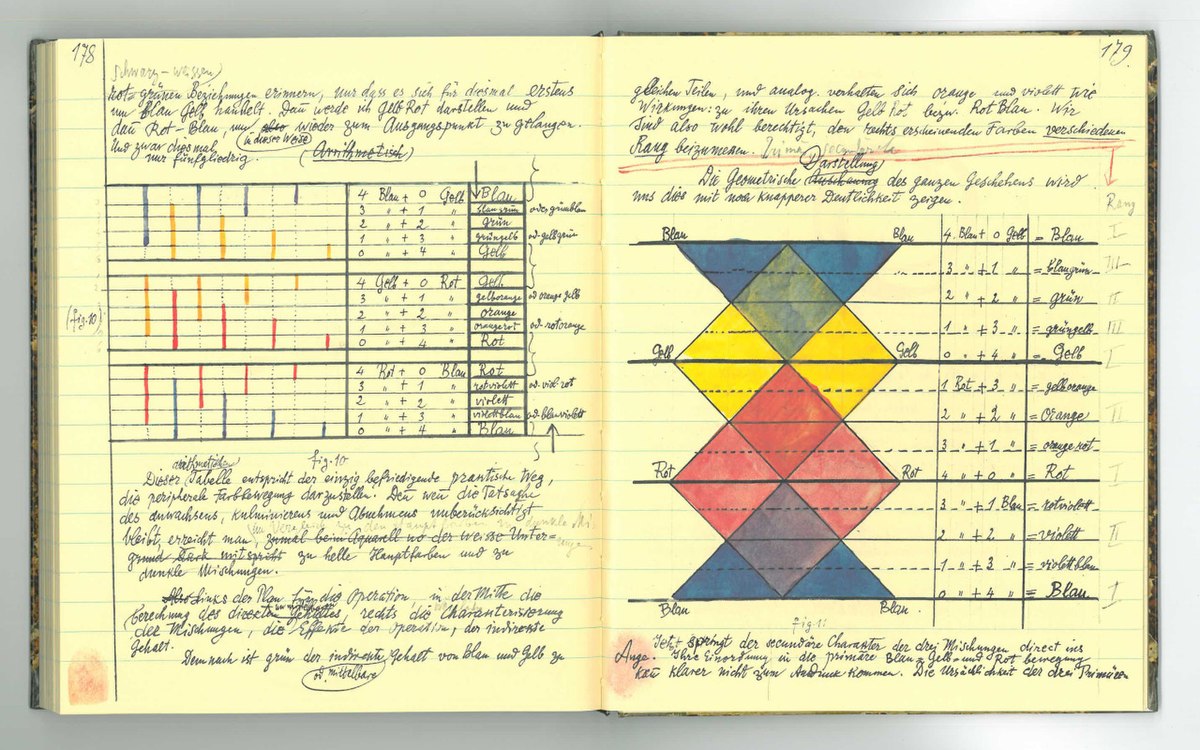
I would like to share something that has recently inspired me and, I hope, will interest you as well. It involves the note-taking methods used by Paul Klee and currently employed by Carolyn Sewell. The techniques from both creators seem not only very creative but also practical to me. Therefore, they can be useful to anyone interested in an innovative approach to learning and creative work.
Paul Klee was a Swiss-German artist born on December 18, 1879, in Münchenbuchsee and passed away on June 29, 1940, in Muralto. His work was incredibly diverse, encompassing various movements such as expressionism, cubism, and surrealism, although his style was so unique that it is difficult to classify it definitively. Klee was a pioneer of abstraction, and his works are full of symbols, grids, and fantastic forms, making him one of the main representatives of abstract art.
One of the most important stages of his career was his work at the Bauhaus, where as a teacher, he influenced the shaping of the program and philosophy of this famous school, combining art with craftsmanship and technology. His lectures on color theory had a significant impact on generations of artists and designers. Klee was also known for experimenting with artistic techniques, often combining different media and creating his own methods of work. His work was characterized by a deep connection with music, which was reflected in the harmony and rhythm of his compositions.
Klee had a unique way of taking notes. However, imitating or being inspired by Paul Klee’s notes can bring many benefits to people who are not artists but wish to develop creative thinking in the context of innovation and problem-solving in business and everyday life. Klee’s notes, full of symbols, abstractions, and experiments, can inspire thinking outside the box, which is crucial in business, where innovative solutions often require abandoning traditional methods and seeking new paths. Experimenting with form and color, characteristic of Klee, can be translated into experimenting with different strategies and solutions in business. This approach also allows for the quick testing of new ideas. Klee placed great emphasis on the development of individual expression and intuition. This strategy greatly supports the creation of innovative solutions.
Carolyn Sewell is a talented designer, illustrator, and master of sketchnoting, or visual note-taking. She lives in Northern Virginia and is known for her unique approach to combining text with drawings, which makes her notes full of life and energy. Her works have been published in renowned magazines such as *Communication Arts* and *The Washington Post*, and her clients include brands like Starbucks and *The New York Times*. Sketchnoting, as practiced by Sewell, is not only a way to capture the essence of lectures and meetings but also a method that makes information more accessible and easier to remember.
For those who are not artists but want to take notes like Carolyn Sewell, sketchnoting can be an excellent tool for developing creativity and organizing thoughts. To start, it is worth building your visual “alphabet,” a set of basic shapes and icons that can be quickly drawn. It is also crucial to experiment with page layouts and different writing styles. This allows for highlighting the most important information and adding dynamics to the notes. It is important not to be afraid of making mistakes and to remember that perfection is not the goal; sketchnoting is a process that becomes more intuitive and fluid over time. With regular practice, you can not only improve your skills but also make the note-taking process more engaging and satisfying.
I encourage you to try a bit of note-taking madness by experimenting with these techniques in your daily work or study. I am sure it will enable you to discover new ways to develop your skills and express yourself. Good luck with your creative note-taking.
Krzysztof Penderecki, one of the most outstanding composers of the 20th century, had a unique approach to notating his musical ideas. His work was characterized by innovation and experimentation with sound, which was reflected in his working methods, including the structure and form of his notes.
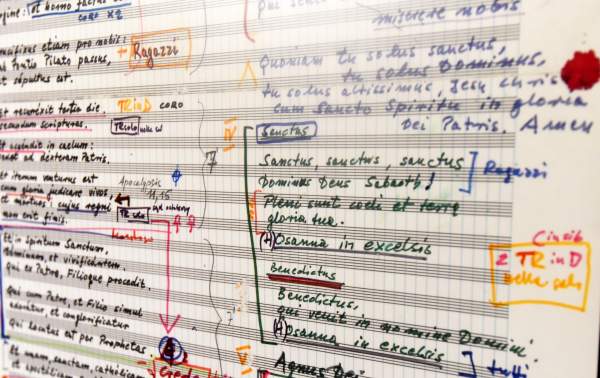
Penderecki often used non-standard notation techniques, resulting from his innovative approach to composition. Instead of traditional forms of musical notation, he employed individual solutions that allowed him greater creative freedom and experimentation with sound and musical texture. He used to carry a notebook with him, in which he wrote down various musical motifs, enabling him to capture inspiration and ideas that could appear at any moment. Such a notebook allowed him to spontaneously note thoughts and later develop them into larger musical forms.
His creative process often began with sketching a formal plan of the composition, which gave him a structure within which he could freely experiment with sound. An example of this is his work on the “St. Luke Passion,” where he first created a formal sketch and then wrote fragments of the piece in a non-linear manner, filling in the previously created general form.
Penderecki’s musical notations often contained unusual symbols and graphic signs, which were the result of his search for new sound effects and techniques of sound production. This type of notation was so unusual that it was sometimes misinterpreted, as in the case of the score for “Threnody to the Victims of Hiroshima,” which was detained by customs services on suspicion of containing encrypted information.
Penderecki did not limit himself to traditional musical notation but also used colors to notate sounds. This approach could have stemmed from his curiosity and desire to explore the world of sound, as well as from the need to shock listeners and transcend the boundaries of conventional music.
At the European Centre for Music in Lusławice, one can see a gallery of Penderecki’s manuscripts, which includes his personal notes, sketches, and objects such as crayons he used to write his works. This exhibition provides a unique insight into the composer’s creative process and his approach to musical notation.
Benefits of drawing inspiration from Krzysztof Penderecki’s notes:
Experiment with form: Penderecki often used unusual symbols and graphic signs in his musical notes. He would encourage experimenting with various forms of notation that can help capture and develop ideas in a more intuitive and personal way. Don’t be afraid to use colors, drawings, or diagrams to better express your thoughts.
Remain open to new ideas: Penderecki was known for constantly seeking new sounds and sound effects. It’s worth being open to new ideas and not being afraid to try things that may seem unusual or unconventional.
Ensure structure and planning: Although Penderecki often experimented, his works were well-organized and had a thoughtful structure. It’s worth starting with a general plan or sketch that will help organize thoughts and facilitate the development of ideas into more complex projects.
Seek inspiration from various sources: Penderecki drew inspiration from many fields, including literature, history, and even nature. Seeking inspiration outside one’s main field can enrich the creative process and lead to the discovery of new perspectives.
Keep notes as a tool for reflection: Notes can and should serve not only to record ideas but also as a tool for reflecting on one’s own creative process. Regularly reviewing and analyzing your notes can help identify patterns and areas for further development.
Wszystkie istoty żywe, a człowiek nie jest tu żadnym wyjątkiem, może poza przypadkami patologicznymi, o których nie chcę dziś dyskutować, dążą w życiu do maksymalizacji przyjemności i unikania dyskomfortu. Zatem gonisz za szeroko rozumianymi przyjemnościami, zabiegasz o nie, doświadczasz ich, zdobywasz i trwa to praktycznie aż do ostatniego oddechu.
Kiedy już chwycisz przysłowiową srokę za ogon, szybko przyzwyczajasz się do dobrego. Masz to na co dzień, a po upływie pewnego czasu zaczynasz wręcz ten stan traktować, jako dany ci raz na zawsze, jak coś, co ci się po prostu należy, aż do końca twoich dni. W następnej kolejności przestajesz doceniać to coś, co przecież za pierwszym razem sprawiło ci tyle radości (pamiętasz?). Ale ta radość z biegiem czasu w tobie umarła, nawet nie pamiętasz kiedy, w jakich okolicznościach i co było tego powodem.
Bodziec przestał być atrakcyjny, bo spowszedniał. Stał się zbyt słaby, a ty, uzależniony od dopaminy, chcesz by – na przekór temu, co się dzieje w naturalnej kolei rzeczy – narastał zamiast słabł. Wyruszasz więc na poszukiwanie innych, silniejszych podniet. Potem doświadczasz ich w taki sam sposób. Zaczyna działać ten sam wzorzec – euforia przechodzi w radość, potem w stan ledwo zadowolenia, aż w końcu zmienia się w obojętność, a finalnie wręcz w nudę…
No i tu pojawia się pytanie: czy to ma sens?
Trzeba przyznać, że pozytywnym aspektem opisanego łańcuszka przeżyć jest gromadzenie doświadczeń. Doświadczenia nas kształtują. W ich efekcie pojawiają się nowe kompetencje. Zmienia się nasz sposób patrzenia na świat. Tak też odkrywamy swoje pasje.
Skutkiem negatywnym jest natomiast wieczne nienasycenie, niezadowolenie, permanentne poczucie braku. Innymi słowy, jesteś sfrustrowany i czujesz się niespełniony.
Co z tym zrobić? Bo przecież nie da się żyć w nieustającym poczuciu niespełnienia, w wiecznej frustracji i w stanie ciągłej pogoni za nowymi atrakcjami i zabawkami.
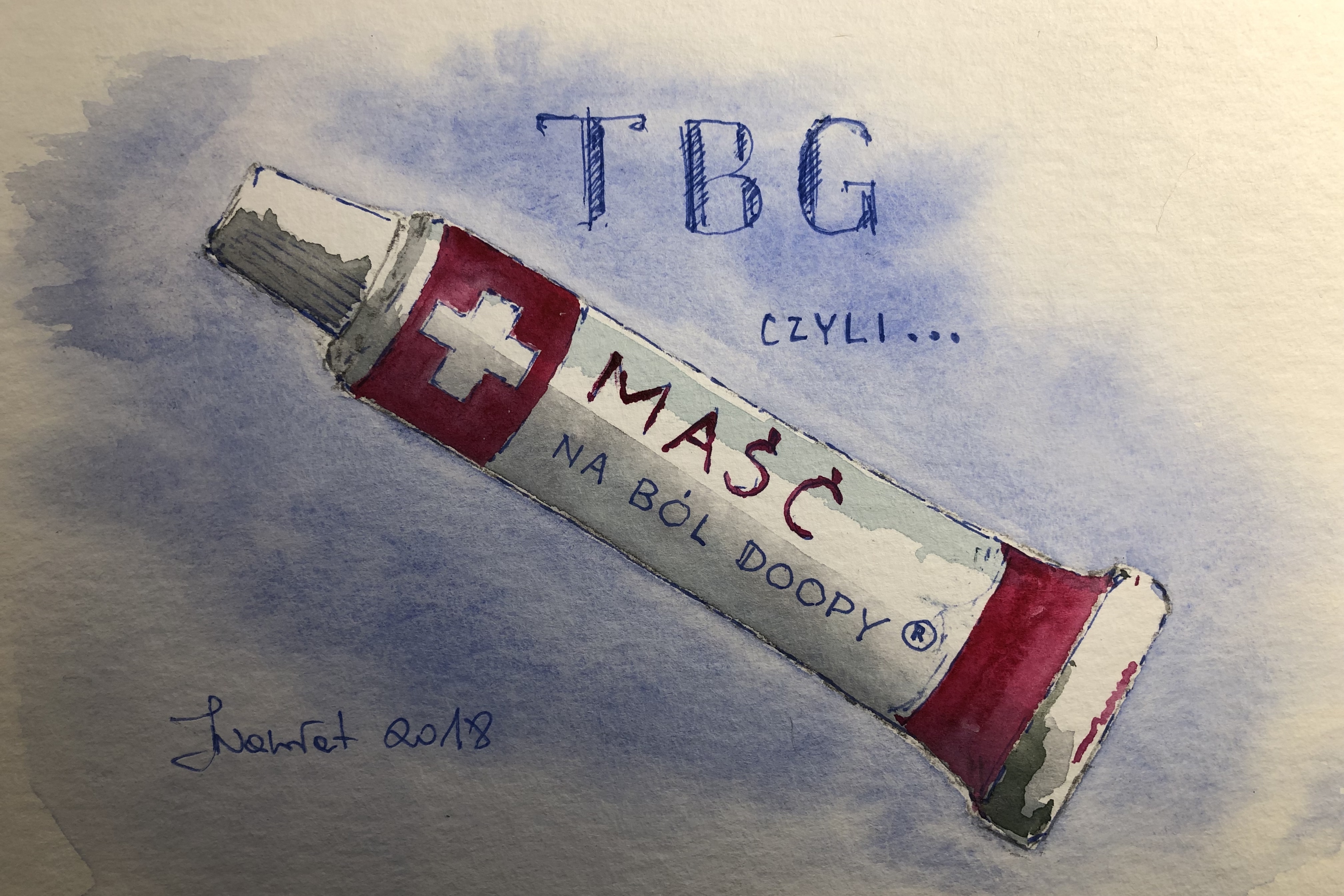
Rozwiązaniem może być coś, co kiedyś wymyśliłem na własne potrzeby. Określiłem to roboczym akronimem TBG od „To Be Grateful” (być wdzięcznym), a zupełnie prywatnie nazywam , nieco niecenzuralnie, „Maścią Na Ból Doopy” (MnBD). O co chodzi?
Chodzi o to, żeby obserwować siebie samego i łapać się na narzekaniu. Kiedy ono się zaczyna lub już trwa w najlepsze, zdecydowanym cięciem przerwać schemat myślenia i postępowania z tym związany.
Narzekasz? Jeśli tak, to przestań natychmiast!
Weź potem bezzwłocznie kawałek papieru i spisz wszystko to, za co możesz być wdzięczny. Tak, dobrze zrozumiałeś – WSZYSTKO: od dobrej formy i niezłego zdrowia, przez brykę w garażu, a skończywszy na skarpetkach na nogach, dzięki którym teraz jest ci ciepło i wygodnie. Zrób listę TBG (To Be Grateful). Zapisuj wszystko, co Ci przychodzi do głowy.
Nie masz pomysłu co by to mogło być? Pomyśl! Masz jakąś fajną umiejętność? Coś cię szczególnie kręci? Umiesz coś lepiej niż inni? Jesteś z czegoś dumny? Nie? Nie wierzę. Idźmy w taki razie dalej.
Być może (raczej na pewno) posiadasz fajny komputer z dostępem do sieci, dzięki czemu masz praktycznie u stóp cały świat. Możesz komunikować się z niemal każdym, z kim zechcesz. Możesz nauczyć się czegokolwiek siedząc w zaciszu swojego pokoju.
Masz w kieszeni cudeńko – smartfon nafaszerowany technologią. Dzięki niemu nie musisz, jak ludzie niegdyś, szukać budki telefonicznej, by pogadać z przyjaciółmi. Możesz im nawet wysłać zdjęcie lub film pokazujący coś, co cię właśnie przed chwilą zainspirowało. Masz to coś, co bez mała dwadzieścia lat temu było jeszcze kompletnie nie do pomyślenia, a ludzie nie mieli nawet śmiałości, by o tym marzyć. Mało?
Może masz pełne półki książek, których czytanie cię inspiruje lub po prostu sprawia ci przyjemność? Też nie?
Całkiem możliwe, że na parkingu lub w garażu czeka na ciebie twój niegdyś wymarzony pojazd. Pomyśl – możesz wsiąść do niego i już jutro, albo nawet w tej chwili spełnić swoje marzenie z dzieciństwa – możesz pognać przed siebie, ciesząc się wolnością. Wyobraźnia pracuje? Czy to działa na ciebie? Też nie?
To może chociaż masz przed sobą na talerzu smaczną kanapkę, a w kubku obłędnie dobrą kawę? Też nie?
Najprawdopodobniej jest ci teraz ciepło, nie pada ci deszcz na głowę, masz co jeść i gdzie spać. Tak – nie przesadzam – to też jest godne umieszczenia na liście TBG, bo świat pełen jest przykładów, że tak wcale być nie musi.
Wydaje mi się, że kiedy wreszcie nauczymy się cieszyć rzeczami prostymi, doświadczymy spełnienia i radości. Okaże się, że mamy więcej niż posiadał niejeden władca w mniej lub bardziej odległej przeszłości.
Moim zdaniem, warto spróbować ćwiczenia TBG. Ono zmienia sposób patrzenia na siebie i na świat. Tak naprawdę może się okazać, że jesteśmy szczęśliwymi bogaczami, nawet o tym nie wiedząc.
English version:
All living beings, including humans, strive to maximize pleasure and avoid discomfort, except in pathological cases, which I won’t discuss today. We chase after broadly understood pleasures, seeking, experiencing, and acquiring them, a pursuit that continues practically until our last breath. Once you’ve caught the proverbial brass ring, you quickly get used to the good things. You have them daily, and after some time, you start treating this state as if it’s given to you forever, as something you simply deserve until the end of your days. Eventually, you stop appreciating what initially brought you so much joy. That joy fades over time, and you may not even remember when or why it happened.
The stimulus that once excited you becomes commonplace and too weak. Addicted to dopamine, you want it to increase instead of weaken, contrary to the natural course of things. So, you set out in search of stronger stimuli, and the same pattern emerges: euphoria turns into joy, then into a state of mere satisfaction, until it finally changes into indifference, and ultimately even into boredom. This raises the question: does this make sense?
A positive aspect of this chain of experiences is the accumulation of experiences. Experiences shape us, leading to new competencies and changing our worldview. This is also how we discover our passions. However, the negative effect is eternal insatiability, dissatisfaction, and a permanent sense of lack, leaving you frustrated and unfulfilled.
What can be done about this? You can’t live in a constant state of unfulfillment, eternal frustration, and perpetual pursuit of new attractions and toys. The solution might be something I devised for my own needs, which I call TBG, short for “To Be Grateful.” Privately, I refer to it as “Ointment For Butt Pain” (OFBP). What’s it about? It involves observing yourself and catching yourself when you start complaining. When it begins or is already in full swing, decisively cut off the pattern of thinking and behavior associated with it.
Are you complaining? If so, stop immediately! Then, promptly take a piece of paper and write down everything you can be grateful for. Yes, you understood correctly—EVERYTHING: from good health and decent shape, to the car in the garage, to the socks on your feet keeping you warm and comfortable right now. Make a TBG (To Be Grateful) list. Write down everything that comes to mind.
Struggling to think of something? Consider your skills. Is there something that particularly excites you? Can you do something better than others? Are you proud of something? No? I don’t believe it. Let’s go further then.
Perhaps (rather certainly) you have a nice computer with internet access, giving you practically the whole world at your feet. You can communicate with almost anyone you want and learn anything while sitting in the comfort of your room. You have a marvel in your pocket—a smartphone packed with technology. Thanks to it, you don’t have to, like people used to, look for a phone booth to talk to friends. You can even send them a photo or video showing something that just inspired you. You have something that was completely unthinkable less than twenty years ago, and people didn’t even have the courage to dream about it. Not enough?
Maybe you have shelves full of books that inspire you or simply give you pleasure? Not that either? It’s quite possible that your once-dreamed-of vehicle is waiting for you in the parking lot or garage. Think—you can get into it and tomorrow, or even right now, fulfill your childhood dream—rushing ahead, enjoying freedom. Is your imagination working? Does this work for you? Not either?
Then maybe at least you have a tasty sandwich on a plate in front of you, and an insanely good coffee in your mug? Not that either? Most likely, you’re warm now, it’s not raining on your head, you have food to eat, and a place to sleep. Yes—I’m not exaggerating—this is also worthy of being on the TBG list, because the world is full of examples that it doesn’t have to be this way at all.
It seems to me that when we finally learn to enjoy simple things, we will experience fulfillment and joy. It will turn out that we have more than many a ruler had in the more or less distant past. In my opinion, it’s worth trying the TBG exercise. It changes the way of looking at yourself and the world. It may turn out that we are happy, rich people without even knowing it.
Bywa czasem tak, że wpadamy w impas i trudno w tym stanie wymyślić coś, co popchnęłoby nas do przodu. Wielu ludzi wtedy nie może się powstrzymać od powtarzania wkoło komunałów w stylu „życie jest okrutne”. Wielu kwituje porażki słowami: „bo takie niesprawiedliwe jest życie”? Jednak życie jest zawsze takie, jakim je widzisz i nigdy nie będzie inne.
Irracjonalne “narzekactwo” w konfrontacji z impasem wynika przeważnie z braku wiarygodnej wizji własnego rozwoju, a co się z tym wiąże, z braku konkretnych celów, o osiągnięcie których wartałoby zawalczyć. Ciekawe i symptomatyczne jest to, że większość osób zapytana: jak chciałaby, aby wyglądało ich życie za kilka lat odpowiada: „nie chcę być chory”, „nie chcę być biedny”, „nie chcę być samotny”, „nie chcę być gruby”, „nie chcę być niedołężny” itp. Ci ludzie doskonale wiedzą, czego nie chcą, ale czy to im w czymś pomaga? Czy świadomość, że nie chcesz pojechać dajmy na to do Radomia, ułatwi Ci dotarcie do Zakopanego? Raczej nie! Taki negatywny cel programuje nas bowiem na porażkę, bo uniknąć ciemności można tylko zapalając światło, a nie przeganiając mrok.
Dlaczego zatem wyrządzamy sobie samym krzywdę, sabotujemy skuteczność korzystania ze swojego wewnętrznego potencjału, blokujemy możliwość życia „na maxa” i oddychania pełną piersią? Być może dlatego, że ciągle słuchamy głosu swojego wewnętrznego krytyka, który w przypływie typowej dla niego nadgorliwości, zwykł nie pozostawiać na nas suchej nitki, kiedy, pod pretekstem rzekomego realizmu, wylewa nam na głowę kubeł pomyj w postaci strumienia myśli budzących zwątpienie we własne możliwości.
Mówienie do siebie nie uchodzi w naszym kręgu kulturowym za objaw zdrowia psychicznego, choć to tak naprawdę efekt swoistej hipokryzji, bo przecież każdy z nas, niemal bez przerwy, „rozmawia” z sobą, prowadząc we własnej głowie bezgłośny dialog lub raczej monolog wewnętrzny. W jego ramach sami sobie zadajemy pytania, po czym na nie odpowiadamy, albo werbalizujemy nasze spostrzeżenia, myśli czy też interpretacje i tym sposobem na swój własny użytek opisujemy naszą rzeczywistość. Narracja wewnętrzna zatem pomaga nam rozumieć świat – w tym innych ludzi – oraz swoje z nim relacje.
Czasami nawet mam takie wrażenie, że spośród oceanu bodźców składających się na rzeczywistość, zarówno tą zewnętrzną, która nas otacza, jak i tą wewnątrz nas, doświadczamy tylko tego, co zdołamy w jakiś tam sposób nazwać oraz opisać. Doświadczamy więc nie tyle rzeczywistości jako takiej, co tego, co pozostało po jej odfiltrowaniu przez nasz aparat percepcyjny, w którym narracja wewnętrzna gra obok zmysłów pierwszorzędną rolę




 Myśli zapisane