In the digital age, where most of us spend our time in front of screens, traditional handwritten note-taking might seem outdated. However, research and experiences of many creative minds show that combining text with quick sketches can be a powerful tool for stimulating creativity and innovative thinking. In this article, we will explore how creative note-taking can enhance our understanding of problems and lead us to discover unconventional solutions.
The Power of Combining Words and Images
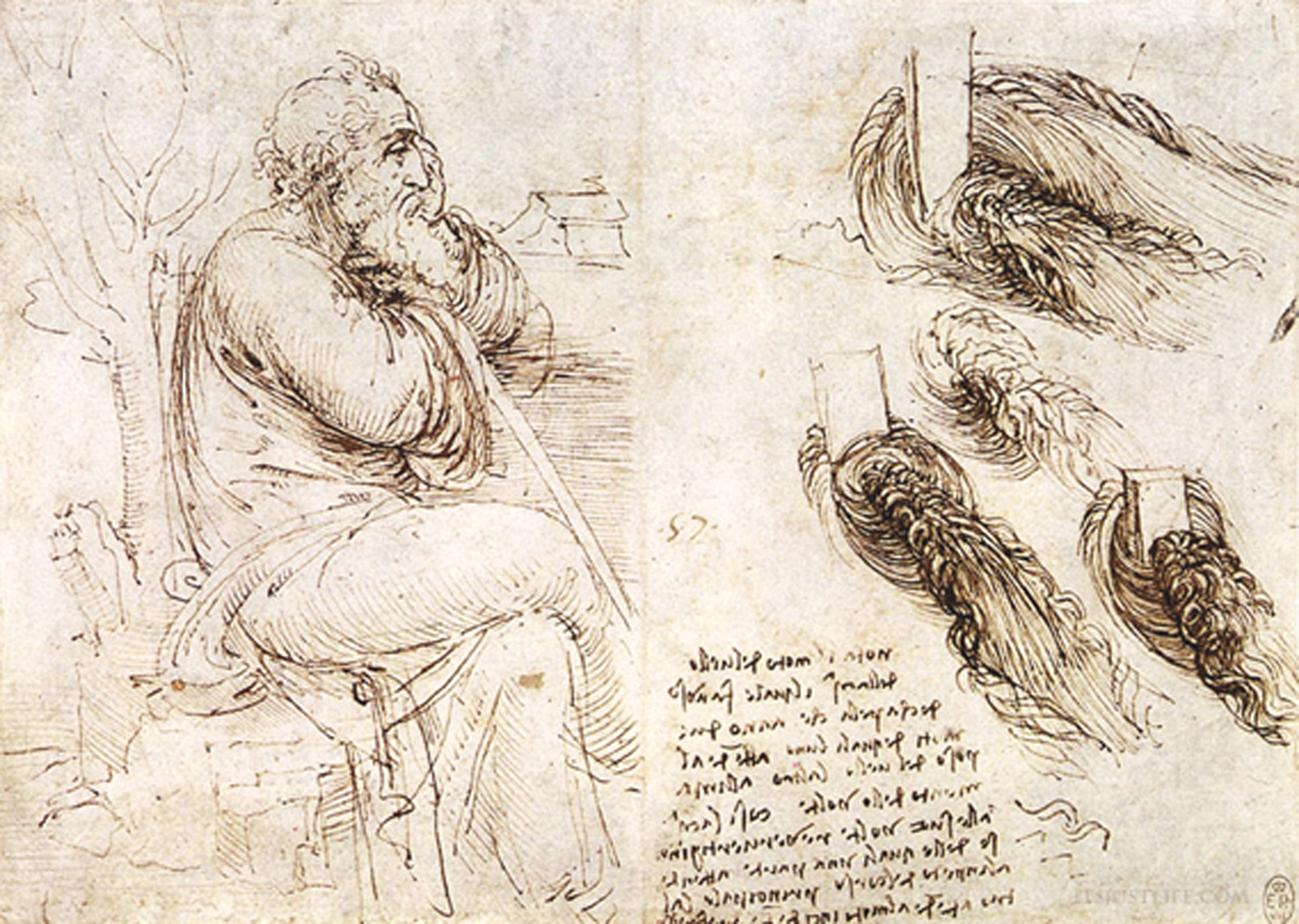
When we combine text with quick sketches, we engage both hemispheres of the brain simultaneously. The left hemisphere, responsible for logical thinking and analysis, works on the text, while the right hemisphere, associated with creativity and imagination, is activated by drawing. This synergy leads to a more comprehensive and creative approach to problem-solving.
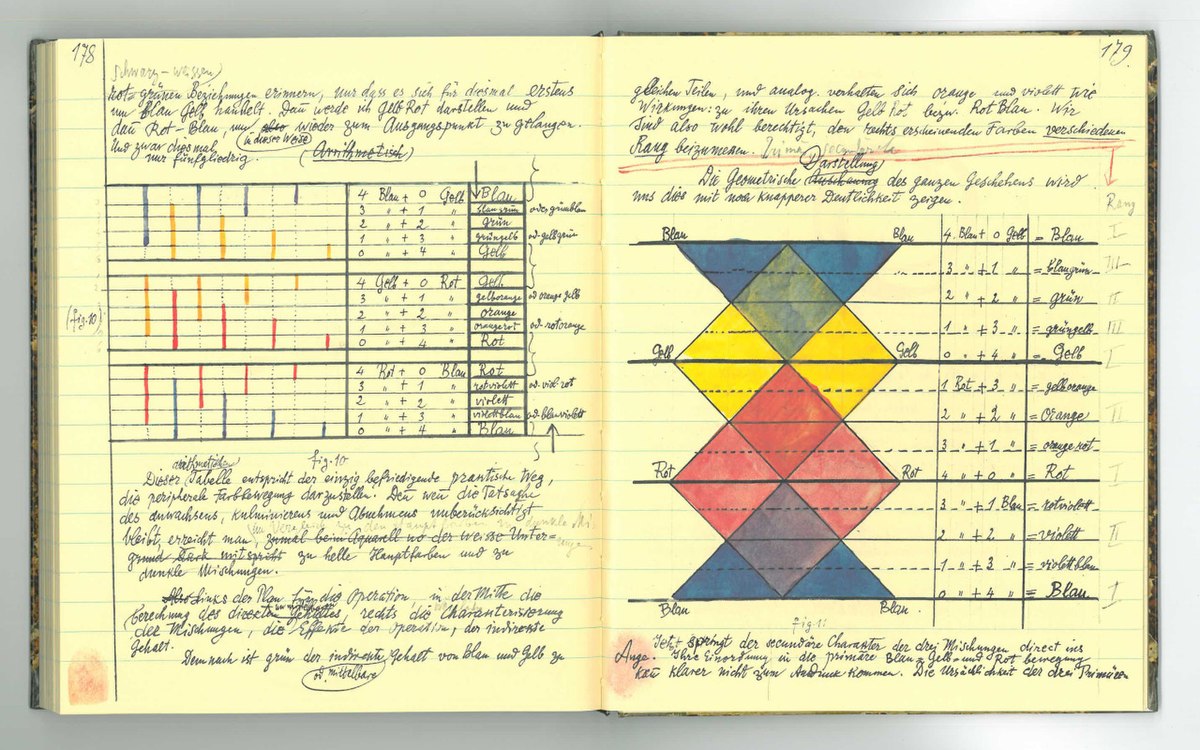
Quick sketches allow us to visualize abstract concepts, often leading to a deeper understanding of the subject. Diagrams, mind maps, or simple icons can help capture complex ideas in an accessible form. Moreover, such a multisensory approach to note-taking significantly enhances our memory and ability to recall information in the future.
Handwritten Note-Taking and Brain Stimulation
The very act of handwriting and drawing has remarkable stimulating properties for our brain. Unlike typing, which is automated, handwritten note-taking requires full engagement and focus. This allows us to be more present “in the moment,” reducing distractions and improving concentration.
The physical act of writing activates brain areas associated with learning and information processing. Studies have shown that students who take notes by hand understand and remember material better than those who use laptops. Additionally, the slower pace of handwriting compared to typing allows for deeper reflection and more conscious processing of information.
Creative Note-Taking Techniques
There are several creative note-taking techniques we can use to stimulate our creativity:
- Mind Maps: A central concept surrounded by related ideas, connected by lines or arrows. This method allows for a visual representation of relationships between different concepts.
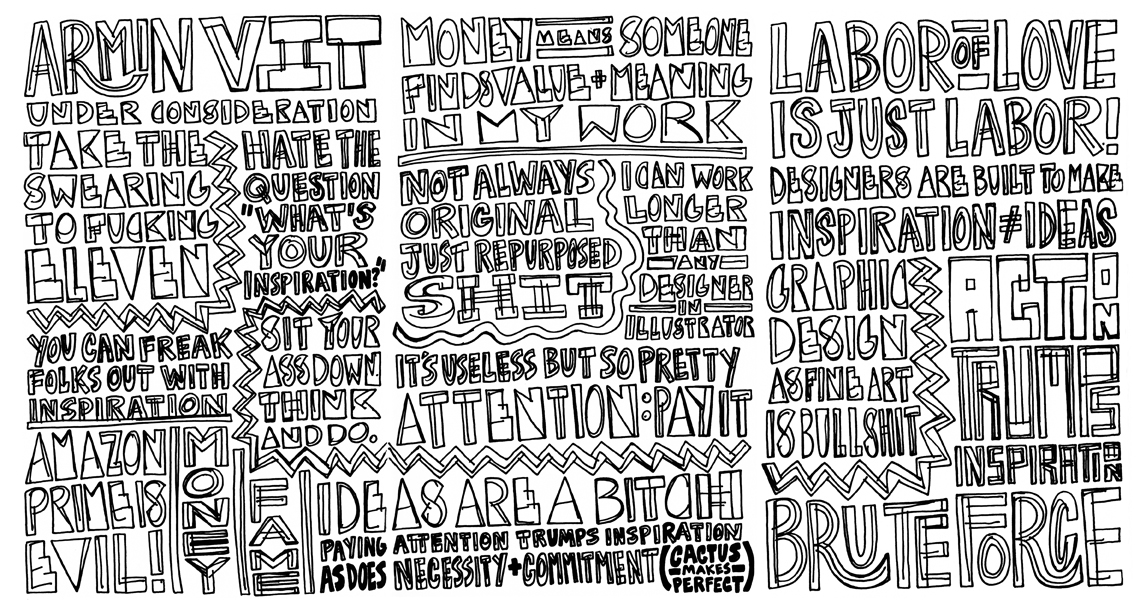
- Sketchnoting: A combination of text, simple drawings, and icons. Ideal for quickly capturing key points during presentations or brainstorming sessions.
- Cornell Method: A structured note-taking format with space for main notes, questions, and a summary. It supports active learning and critical thinking.
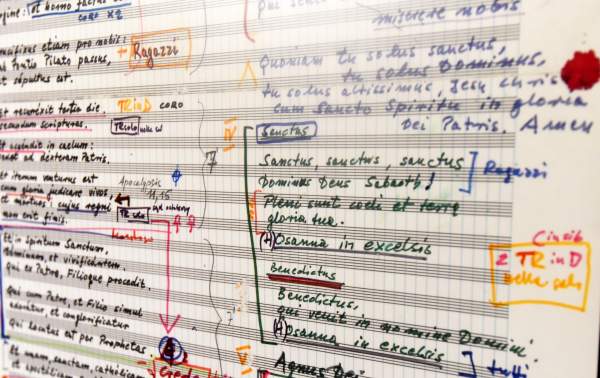
Experimenting with different techniques will help us find the method that best suits our thinking style and needs. The key is to find a balance between structure and freedom, allowing our minds to flow creatively.
Creative note-taking is not just a way to record information, but a tool for actively processing knowledge and generating new ideas. It allows us to look at problems from a new perspective, see unconventional connections, and find innovative solutions. In a world where creativity and innovation are highly valued, it’s worth reaching for a pen and notebook to give our minds the space for creative development.
#CreativeNoteTaking #InnovativeThinking #MindMapping #Sketchnoting #HandwrittenNotes
 Myśli zapisane